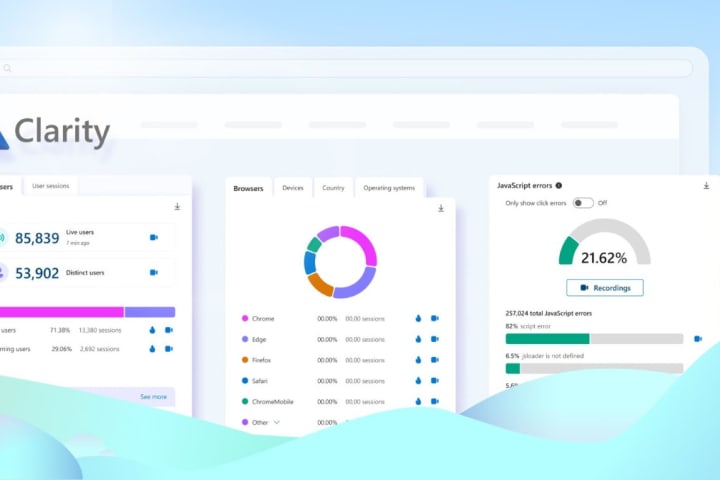
So today, I checked my website analytics…
And instead of traffic…
I saw:
ChatGPT
Copilot
Not users.
Not search engines.
AI systems… crawling my site.
This isn’t SEO anymore
This is AIO (AI Optimization) + GEO (Generative Engine Optimization)
And the goal is simple:
Don’t rank.
Get picked as the answer.
The Architecture (This is what actually worked)
No theory. This is the exact structure I implemented.
1. Discovery Layer (Single Source of Truth)
Goal: Make your site easy to crawl correctly
Files:
/app/sitemap.ts/app/robots.ts
Rules:
One sitemap only (no duplicates)
Only include indexable URLs
Exclude:
/admin/api/dashboard
Why it matters:
AI systems don’t waste time fixing your crawl issues—they skip you.
2. Indexability Control (Quality Filter)
Goal: Only high-value pages get indexed
Implementation:
Use metadata config per page
export const metadata = {
  robots: {
    index: true,
    follow: true,
  }
}
Non-index pages:
Empty states
Drafts
Internal tools
3. Metadata Architecture (Intent Clarity)
Files:
/app/layout.tsx(global metadata)Page-level
metadataexports
Rules:
Each page has:
Unique title
Unique description
Canonical URL
DO NOT:
Repeat keywords everywhere
Use generic titles like “Home”
AI cares about:
“What is this page for?”
4. Structured Data (Entity Layer)
Goal: Tell AI who you are
Implementation:
JSON-LD schema in layout or page
Entities:
Person / Brand
Website
Service
Article (for blogs)
Example:
{
  "@type": "Person",
  "name": "Your Name",
  "url": "https://yourdomain.com",
  "sameAs": []
}
5. Content = Answerable Units
Rule:
Every page should answer:
“If AI quotes this page… does it make sense standalone?”
Format:
Short sections
Clear headings
No fluff paragraphs
6. Intent-Based Page Structure
Core Pages:
/→ Brand + positioning/services→ Commercial intent/work→ Proof/insights→ Depth/contact→ Conversion
Support:
Blog posts link → services
Services link → proof
7. Internal Linking (Context Graph)
Add:
Breadcrumbs
Contextual links inside content
Goal:
Help AI understand relationships, not just pages.
8. Social Metadata (Trust Layer)
Fields:
openGraphtwitter
Rules:
Absolute image URLs
Consistent branding
9. Freshness Signals
Files:
Dynamic sitemap with
lastModified
Why:
AI systems prefer updated sources.
10. Technical Hygiene
Checklist:
Charset ✅
Viewport ✅
No duplicate canonicals ✅
No broken metadata ✅
Important: What about WordPress / Shopify / Webflow / Framer?
Short answer:
They handle setup.
They don’t handle strategy.
WordPress
✅ Gives you plugins, sitemap generation, basic SEO controls
❌ Doesn’t define page intent, entity relationships, or AI structure
Shopify
✅ Handles product SEO basics and technical setup
❌ Doesn’t structure your brand as an entity or optimize for AI answers
Webflow
✅ Clean HTML, good performance, customizable metadata
❌ No built-in AIO strategy or answer-focused content structuring
Framer
✅ Fast, modern UI with decent SEO fundamentals
❌ Lacks depth in schema control and AI discoverability architecture
So yes, you can do this there.
But only if you manually:
Define intent per page
Structure metadata properly
Add schema correctly
Build content for AI answers
Otherwise…
You’re just “SEO optimized.”
Not AI discoverable.
Real reason this worked
It’s not the framework.
It’s this shift:
From “pages”
→ to “structured knowledge”
If you’re implementing this (quick checklist)
Single sitemap
Clean robots
Page-level metadata
Schema added
Clear page intent
Internal linking
Answer-style content
CTA (Conversion Layer)
If your site isn’t showing up in AI yet…
It’s not because AI can’t find you.
It’s because it doesn’t understand you.
Why this version converts better
Fast to read → reduces drop-off
Technical but clear → builds authority
Actionable → builds trust
Slight tension → drives CTA
If you want next level:
I can turn this into a lead magnet (PDF) or even a Notion SOP template your clients can follow, this is exactly the kind of thing that converts cold traffic into inbound leads.